Blog
Insights on identity verification and communication security.
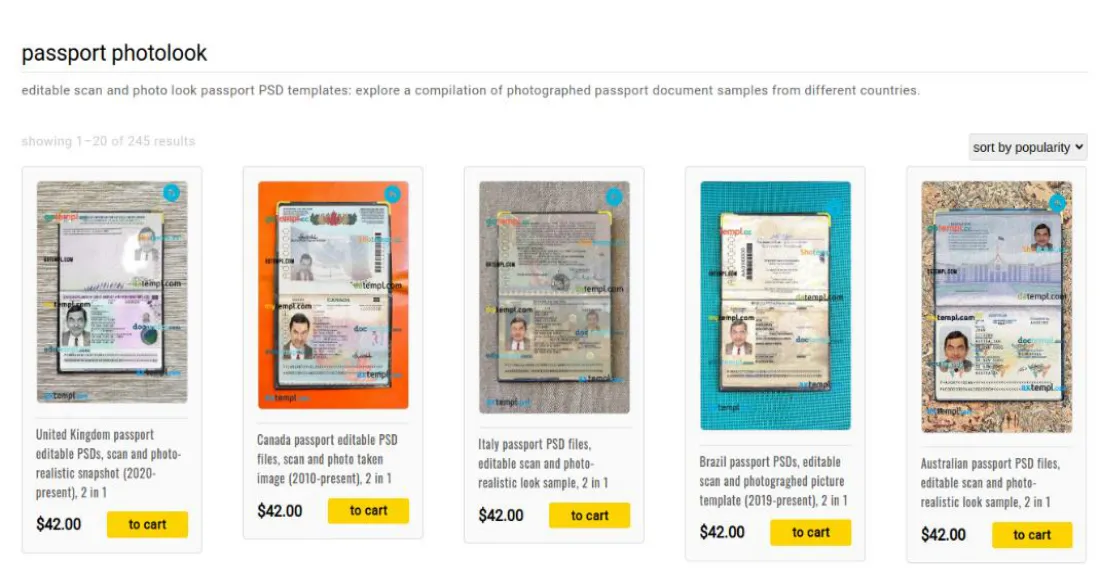
Types of Fraud in Remote Hiring
Remote hiring fraud is evolving from simple resume misrepresentation into coordinated, high-risk threats that can lead to data breaches, financial loss, and even sanctions exposure. This blog breaks down the key types of hiring fraud, from proxy candidates to state-sponsored schemes, and explains the tactics attackers use to bypass traditional hiring and identity checks.
The AI Era Demands a New Identity Vendor
Securing modern hiring workflows now requires a new kind of identity vendor. Legacy identity verification and access platforms were built to check documents or manage employees after hire, not to stop AI-driven impersonation in hiring. This post explains why those systems cannot close the gap and what capabilities a modern identity vendor must provide.
The Binding Problem in Remote Hiring
Most hiring pipelines rely on separate systems like an ATS, background check vendor, interview platform, and HR system. Each step verifies its own piece for compliance, but none confirms that the same person remains present throughout, leaving a compliant audit trail tied to an unconfirmed subject and a structural gap remote hiring fraud now exploits.

Every Company Is a Target: Remote Hiring as an Attack Surface
Every company with remote roles, a payroll system, and VPN access is a viable target. DPRK IT worker operations don't target industries — they target hiring...

Why DPRK IT Worker Schemes Succeed: They Operate as Organized Teams
North Korea's IT worker schemes succeed because they operate as organized teams, not lone actors. Learn how roles are divided, why traditional controls fail...

How Hiring North Korean IT Workers Could Cost Your Company Millions
Standard due diligence is failing. Mid-cap companies hiring a single North Korean IT worker face $20 to $70M in combined sanctions penalties, breach costs, and...
The Design Flaw in Identity Document Verification
AI-powered faceswapping has collapsed the barrier to document fraud. For $15 to $200, attackers can buy a faceswapped ID paired with a matching deepfake...

Why Using Signal Doesn’t Solve Your Fraud Problem—And How Polyguard Does
Signal, WhatsApp, and even FaceTime can’t tell you who you’re actually talking to. That’s the real risk. Today’s fraud doesn’t happen in the message—it happens...
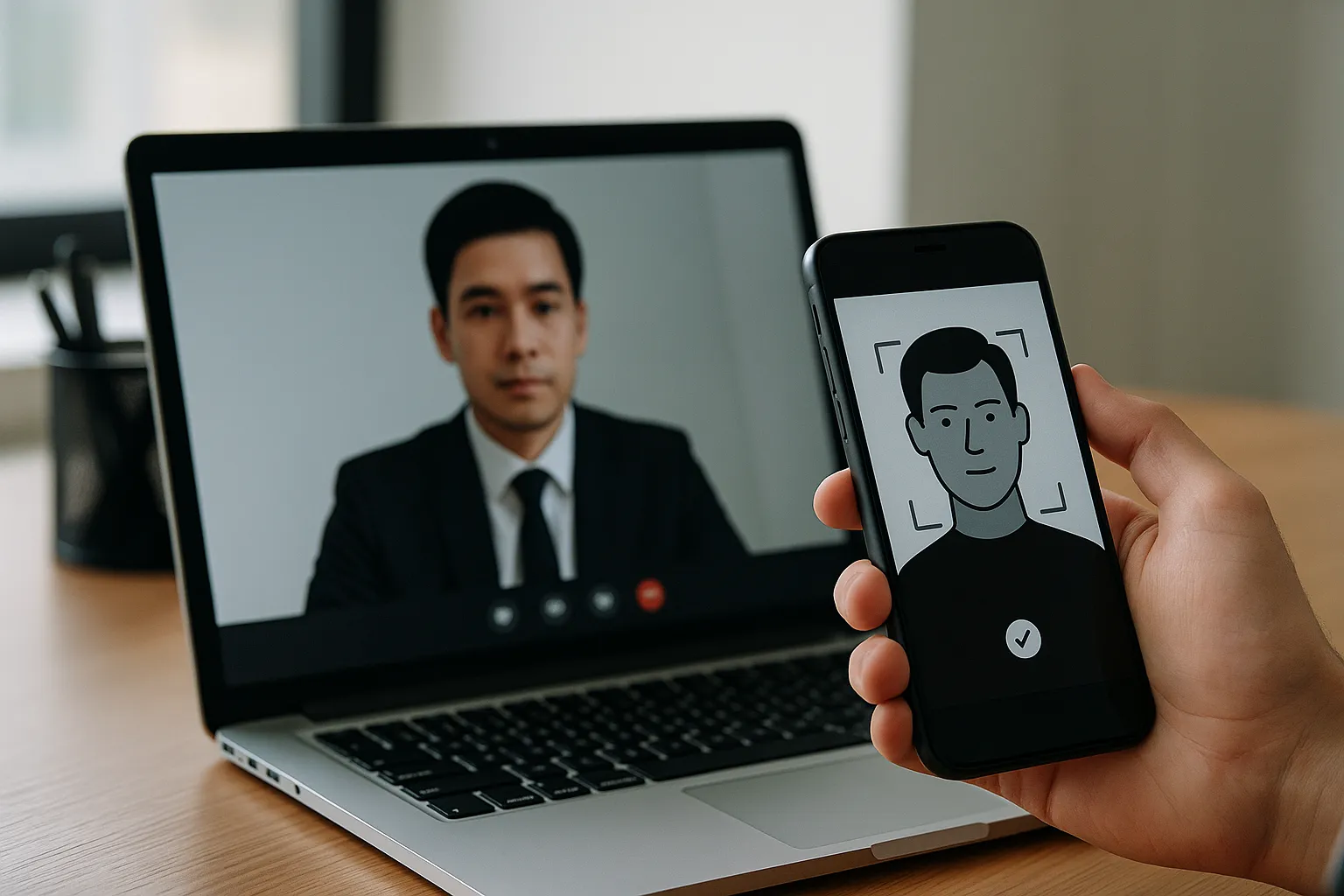
How to Stop Hiring Fraud Before It Starts: Secure Your Interviews with Polyguard
Hiring fraud isn’t just a theoretical risk anymore—it’s a daily threat. With remote interviews becoming the norm, deepfakes and impersonators are slipping past...

Outsmarting AI-Generated Audio
A near-perfect replica of your voice can be produced with just 30 seconds of recorded audio. What is the right way to combat this threat?

The AI Detection Paradox
As AI detection technologies evolve, they inadvertently serve as training modules for generating more deceptive deepfakes.

DeepPhishing: The New Weapon in CyberCrime
Phishing attacks have increased by 3,000% in the past year, and are a major driver in the increasing cybercrime losses reported globally.